Quantifying received noise levels at georeferenced positions of free-ranging marine mammals requires the fusion of heterogeneous, high-resolution data streams from multiple sensor modalities—a challenge that has not been addressed. This study presents an ecological informatics framework that integrates drone-based aerial video, YOLO-based vessel detection, a custom geoconversion algorithm (GeoConvertor) for pixel-to-geographic coordinate transformation using flight telemetry, and concurrent passive acoustic monitoring to estimate vessel-specific acoustic source levels and spatially explicit noise exposure at georeferenced animal positions. The framework was deployed in a coastal dolphin-watching setting off Jeju Island, South Korea, processing 187 vessel passage tracks across four vessel categories and 471 annotated Indo-Pacific bottlenose dolphin (Tursiops aduncus) surfacing events over 11 observation days. The GeoConvertor achieved sub-metric frame-to-frame positional stability (mean error: 0.15 ± 0.08 m), with velocity estimation RMSE of 1.27–3.11 km/h (0.68–1.68 kt) for land-based targets across speeds of 15–35 km/h and 0.23–0.79 kt for maritime targets across speeds of 3–18 kt at 100 m operational altitude. Linear regression of drone-derived vessel speed against hydrophone-measured source levels revealed strongly vessel-category-dependent relationships, with slope coefficients ranging from 0.17 to 1.77 dB/kt across frequency bands overlapping the dolphin whistle range (5.3–12.5 kHz). Dolphin-centric spatial analysis and threshold exceedance mapping showed that small-sized boats exhibited the highest proportion of encounters exceeding the conservative 3 dB masking criterion (93%). In comparison, large-sized boats showed the high exceedance of the 6 dB threshold (25%) despite maintaining greater standoff distances, with vessel type—rather than proximity—emerging as the dominant predictor of noise exposure. The framework demonstrates how multi-sensor data fusion and deep learning-based object detection can generate ecologically actionable, spatially explicit noise exposure estimates at georeferenced animal surfacing positions that are inaccessible to any single monitoring modality and are potentially transferable to other cetacean tourism settings and vessels noise monitoring contexts.
The blood–brain barrier (BBB) severely restricts the delivery of neuroprotective compounds to the brain, limiting therapeutic strategies for Parkinson’s disease (PD). Ginsenoside Rg3, a bioactive component of ginseng, has demonstrated neuroprotective potential, but its efficacy is constrained by poor BBB permeability. Here, we evaluated focused ultrasound (FUS)-mediated BBB opening (FUS BBBO) to enhance delivery of Rg3-loaded nanoparticles in a rotenone-induced mouse model of PD. Localized FUS sonications were applied to induce transient BBB disruption, followed by intraperitoneal administration of FITC-labeled Rg3 nanoparticles. In vivo and Ex vivo fluorescence imaging confirmed a significant increase in brain accumulation of nanoparticles after FUS BBBO. While Rg3 nanoparticle treatment alone showed moderate increases in ATP levels and Complex I activity, FUS alone produced comparable trends with slightly higher recovery. The combination treatment with FUS-mediated BBBO demonstrated higher mean values (ATP: 0.27 ± 0.06; Complex I: 1.98 ± 0.41) compared to the PD group, along with improvements in motor performance. These findings suggest that FUS-BBBO may enhance the delivery of Rg3 nanoparticles to the brain and support mitochondrial function. Overall, the combination approach showed a trend toward improved outcomes; however, further studies are required to confirm these effects and establish therapeutic potential for solid statistical analysis.
Conventional ultrasound-based assessment of aortic stiffness relies on two-point distension metrics using maximum and minimum vessel diameters within a cardiac cycle, which may not fully reflect time-resolved aortic wall dynamics. This retrospective pilot study investigated the feasibility and clinical relevance of a time-series-based stiffness parameter, termed pulsatile stiffness-beta, derived from automated segmentation of archived aortic M-mode ultrasound images. Seventy-nine cases with available aortic M-mode images were analyzed. Automated image processing was used to segment the anterior and posterior aortic walls and reconstruct diameter waveforms. Conventional stiffness-beta, pulsatile stiffness-beta, and wall asymmetry-related parameters were calculated and compared with demographic, tonometry-derived, hemodynamic, coronary burden, cardiovascular risk, and echocardiographic variables. Conventional and pulsatile stiffness-beta were strongly correlated and showed directionally consistent associations with established vascular functional parameters, including systolic blood pressure, pulse pressure, augmentation pressure, age, and cardiovascular risk burden. Pulsatile stiffness-beta demonstrated association patterns broadly comparable to conventional stiffness-beta, suggesting its role as a waveform-informed extension rather than a superior alternative. Wall asymmetry-related parameters were associated with the Syntax score. Automated analysis of archived aortic M-mode images may provide feasible time-resolved vascular biomarkers for stiffness and wall motion assessment.
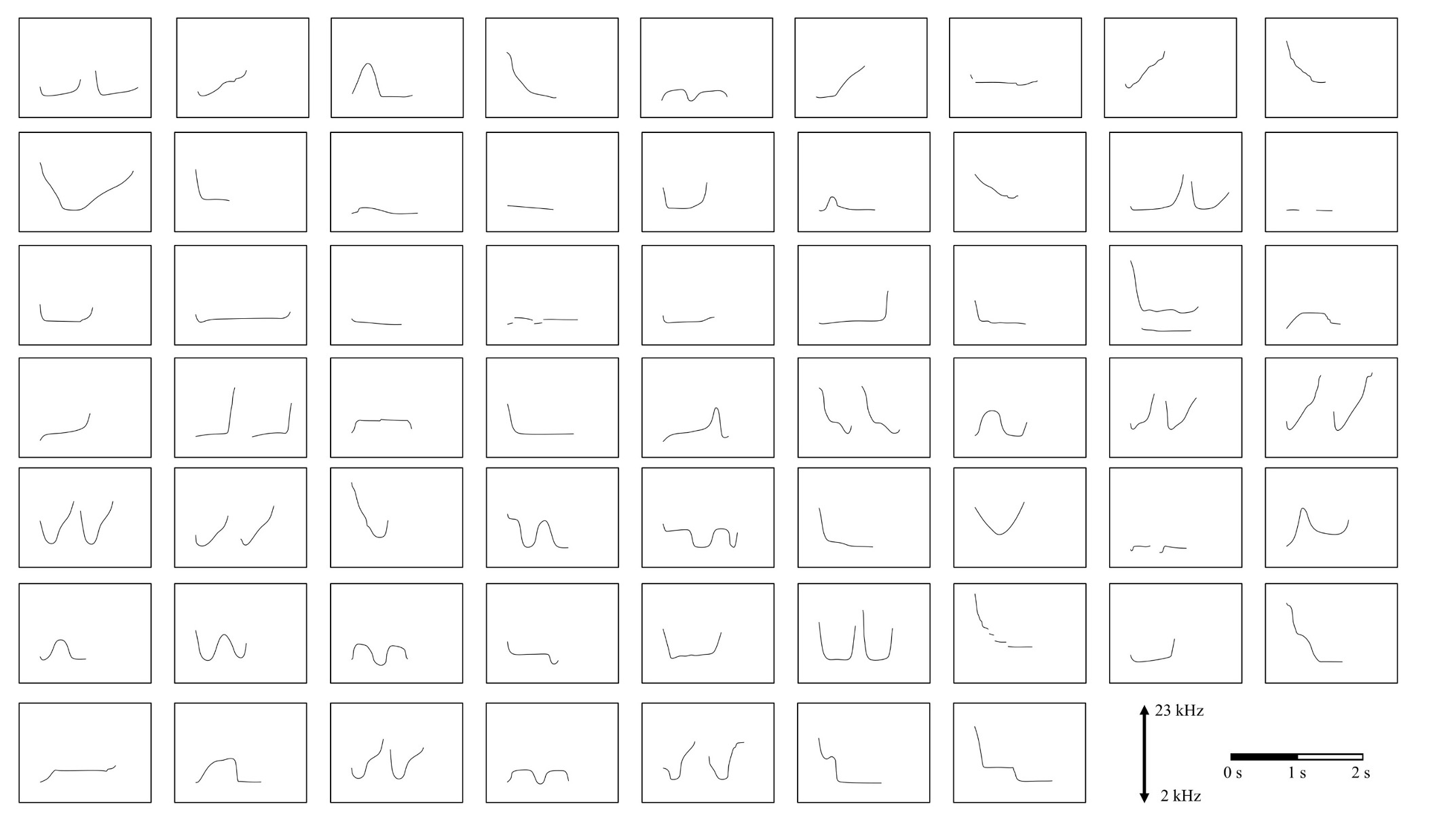
The Indo-Pacific bottlenose dolphin (Tursiops aduncus) is a critical species for coastal marine ecosystems; however, long-term monitoring remains challenging. Acoustic monitoring provides a noninvasive approach to studying dolphin populations, and in this study, signature whistles were identified from acoustic recordings collected around Jeju Island, South Korea. While conventional acoustic parameters, such as minimum and maximum frequency, duration, and frequency excursion, have been widely used to characterize dolphin whistle signals, they often are insufficient for capturing subtle within-whistle patterns critical for individual and population-level differentiation. To address this limitation, we introduce a novel symbolic contour encoding method termed DAS (Descent-Ascent-Static). Unlike traditional whole-whistle classification or scalar descriptor approaches, the DAS framework segments each whistle into discrete slope-based components, preserving fine-scale frequency modulation patterns. Comparative analyses revealed that the DAS-encoded features achieved clearer population separation in unsupervised clustering and principal component analyses, explaining nearly 90% of the variance compared with conventional parameters, which explains only approximately 60% of the variance. Additionally, we confirmed that more than half of the whistles detected were signature whistles, consistent with previous studies, and emphasized the importance of accounting for repeated signature whistle production to avoid statistical bias. This study represents the first report of signature whistles from the Jeju Island dolphin population and demonstrates that symbolic segment encoding offers a more biologically meaningful and statistically robust framework for population-level comparisons of dolphin vocal repertoires, with important implications for future ecological monitoring and conservation efforts aimed toward this species.
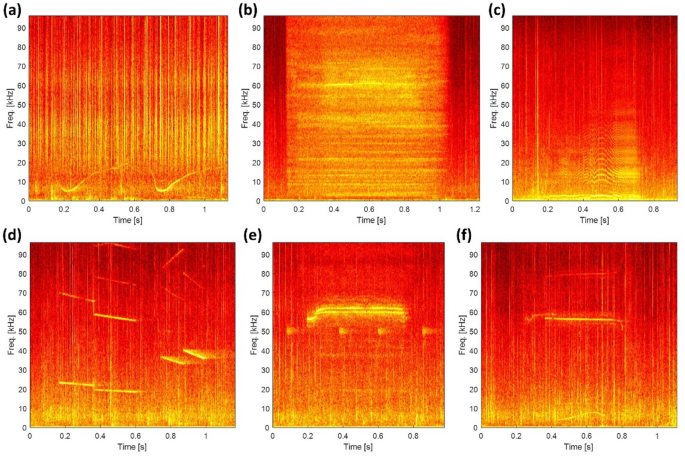
Amidst growing animal rights movements, the release of captive cetaceans, particularly killer whales and dolphins, into their natural environments has gained increasing support from activists due to ethical concerns. However, there is a notable lack of quantitative studies on the interactions between wild and captive dolphins during rehabilitation before release. This study assesses the rehabilitation process of captive dolphin during its stay in the sea pen using advanced surveillance techniques. Methods including CCTV, hydrophone monitoring, and drone observations were utilized to document interactions between rehabilitating and wild dolphins. A convolutional neural network-based detector for dolphin whistle sound was used to automatically detect the whistle from underwater sound recorded at the rehabilitation site, which significantly expedited the identification of wild dolphin encounters compared to traditional manual methods. This technology also facilitated synchronized analysis of underwater sounds, CCTV footage, and drone videos, providing comprehensive visual and acoustic observations of captive and wild dolphins during encounters. This research offers insights that can guide future dolphin rehabilitation monitoring and release strategies.
Doppler ultrasound is one of the oldest modalities for measuring and visualizing blood flow. This review paper explores the principles of Doppler ultrasound and blood flow imaging. Following a brief history of Doppler ultrasound, all Doppler modes, including B-Flow imaging, are discussed, with emphasis on spectral broadening and Doppler spectrum amplitude in relation to clinical implications. The paper also outlines sources of uncertainty in Doppler flow measurement. Emerging technologies in blood flow imaging are introduced, including microvascular flow imaging without contrast agents and four-dimensional vascular imaging from a two-dimensional transducer, which have been commercialized within the past decade, as well as row-column array transducer systems, high-frame-rate imaging, and photoacoustic imaging, which remain in preclinical and research stages.
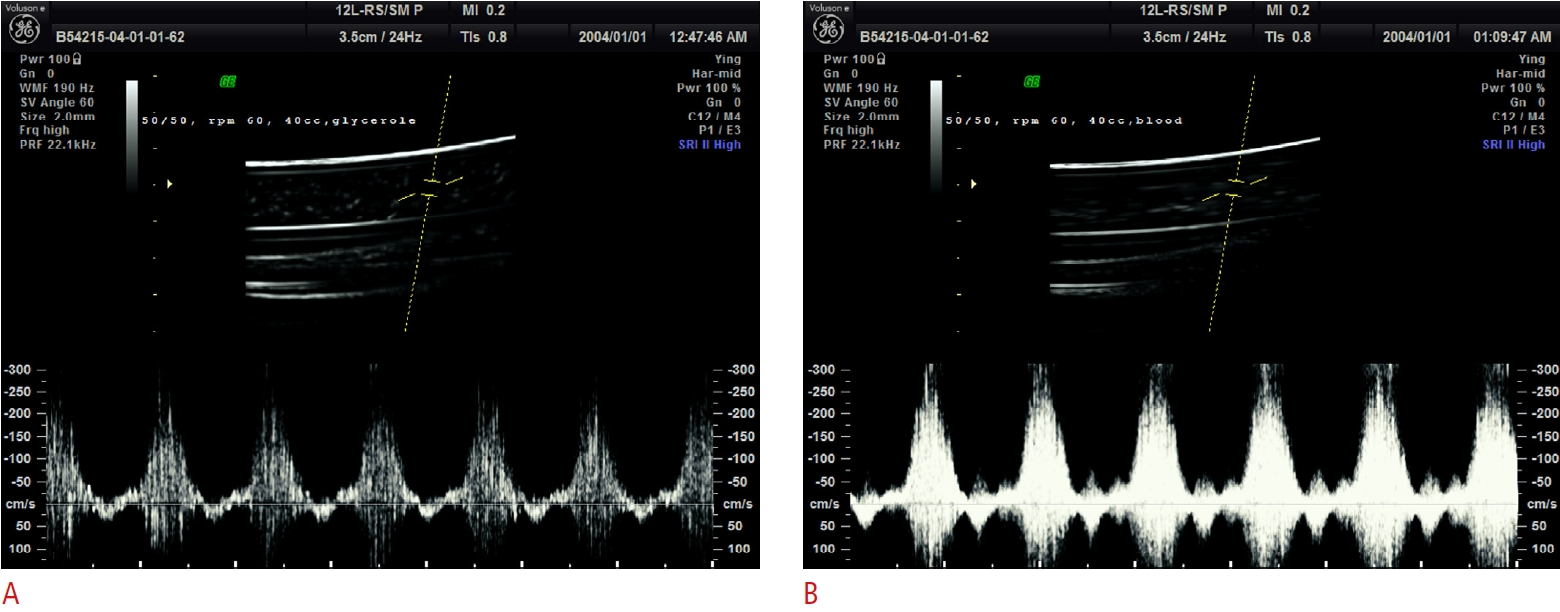
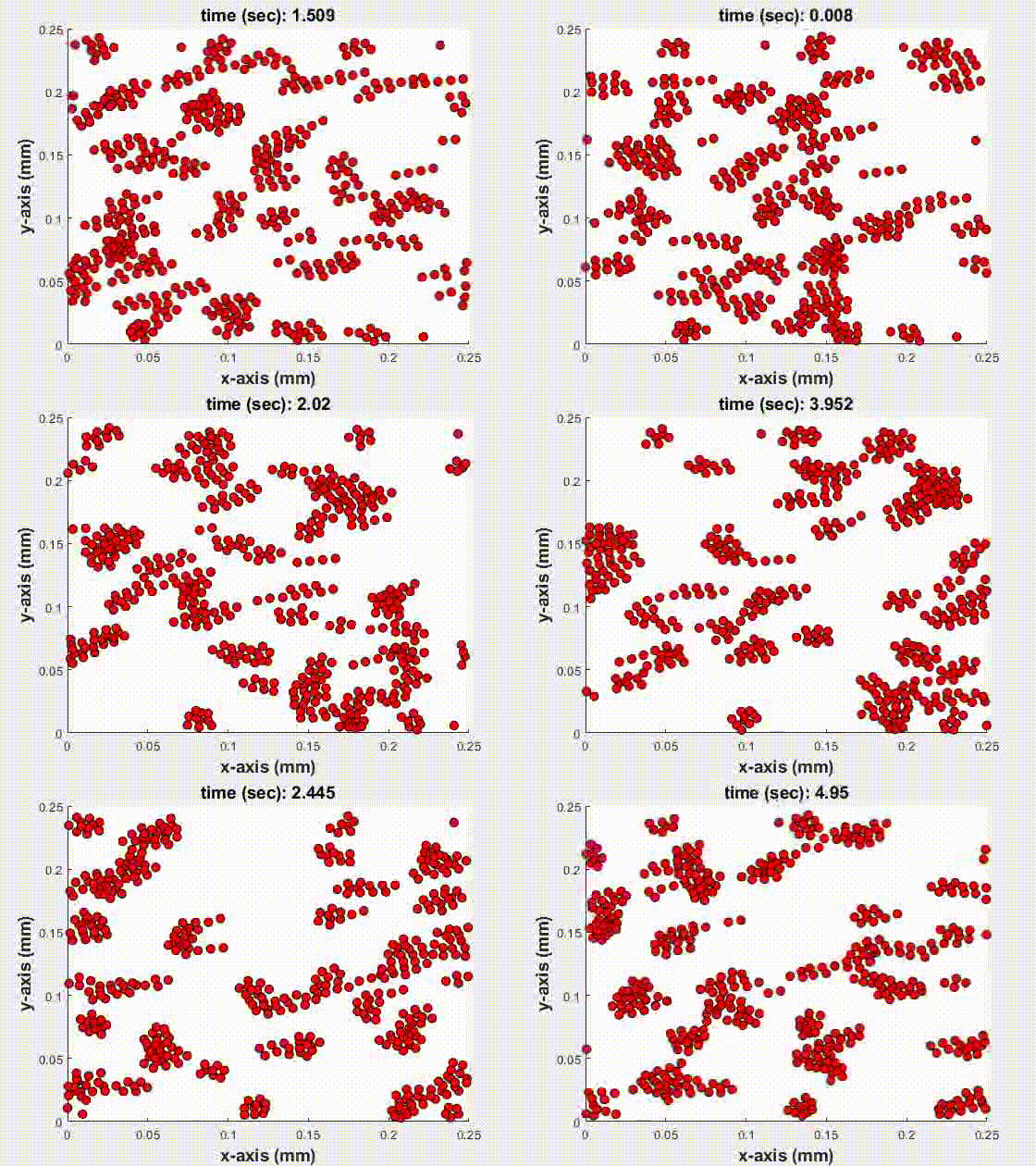
Blood viscosity is inversely proportionate with shear rate mainly due to red blood cell (RBC) aggregation under steady flow. However, this inverse relation cannot explain the spatiotemporal variation of RBC dynamics under pulsatile flow. This study aimed to clarify the relationship between hemodynamics and hemorheology based on a novel computational model that couples RBC dynamics with blood viscosity under pulsatile flow. By integrating both whole-blood experiments with ultrasound imaging and numerical simulations, the spatiotemporal variations of local hematocrit were shown to drive local variations of blood viscosity under pulsatile flow. The results suggest that the local parabolic distribution of high hematocrit is influenced by RBC aggregation and pulsatile flow characteristics, which in turn affect blood viscosity. Computational analysis supports that local blood viscosity increased in regions with elevated hematocrit during the acceleration phase of pulsatile flow. Local hematocrit and RBC dynamics play critical roles in influencing blood viscosity under pulsatile flow, highlighting the importance of incorporating hemorheological and hemodynamic factors. These are crucial for understanding large arterial flow and potentially enhancing diagnostic and therapeutic approaches for cardiovascular diseases.
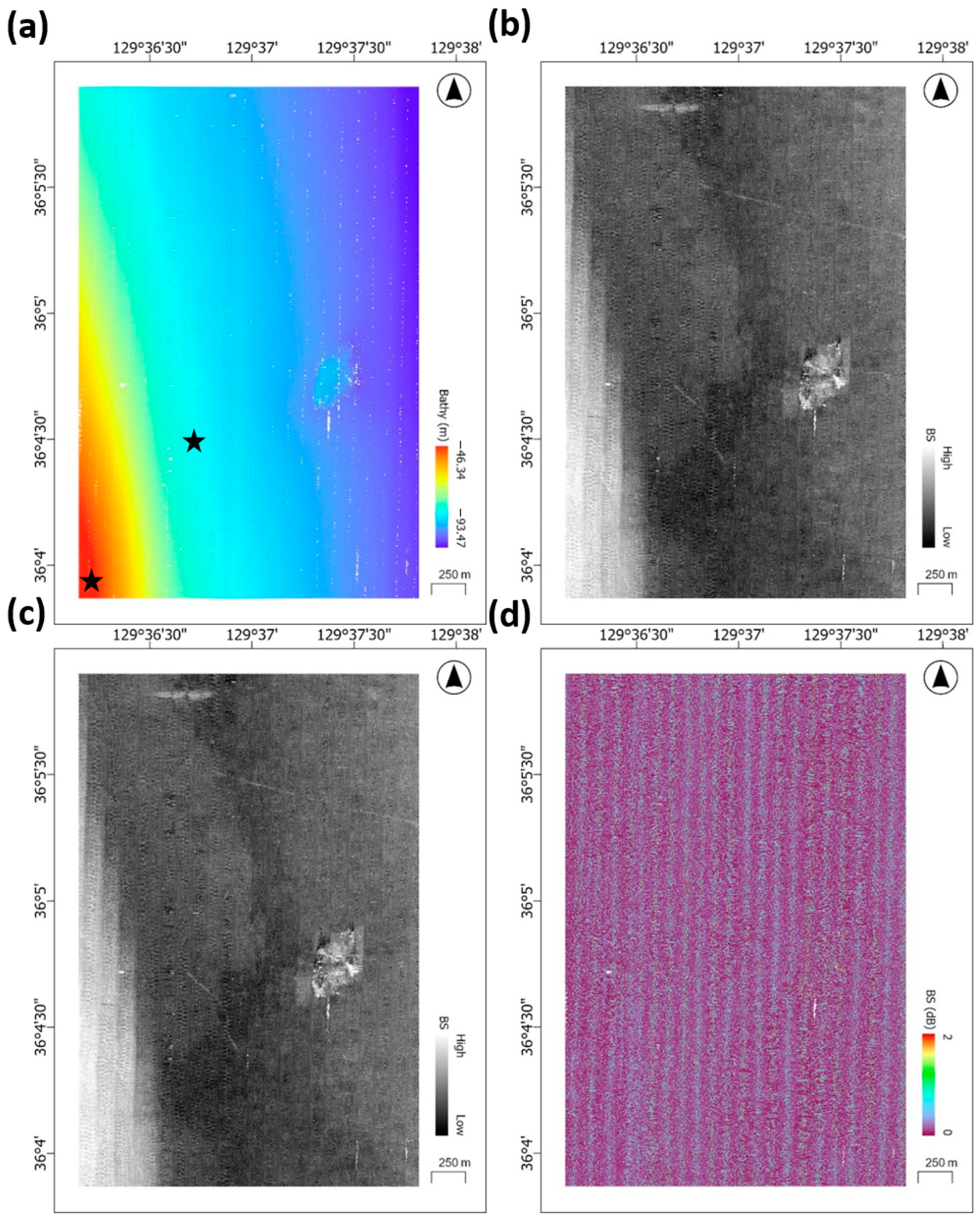
Multibeam echosounder (MBES) backscatter data are influenced by underwater sound absorption, which is dependent on environmental parameters such as temperature, salinity, and depth. This study leverages CTD datasets from the Korea Oceanographic Data Center (KODC) to analyze and visualize the spatiotemporal variations in absorption parameters in the East Sea of Korea, which are subject to pronounced variability over time and space. The legacy MBES backscatter data, originally processed using generalized absorption parameters that neglected spatiotemporal variations, were compared with the calibrated data. The calibration process included inverse calculation of water temperature with depth-specific average salinity values from the nearest KODC stations. This calibration revealed discrepancies of up to 2.1 dB in backscatter intensity across survey lines, highlighting the potential misrepresentation of legacy MBES backscatter data due to site-specific absorption variability having been overlooked. By addressing these discrepancies, this study underscores the importance of incorporating spatiotemporal absorption variability into MBES calibration workflows. This integrated approach not only enhances the reliability of legacy MBES data but also provides valuable insights for marine resource management, seafloor mapping, and environmental monitoring in highly dynamic marine environments such as the East Sea of Korea.